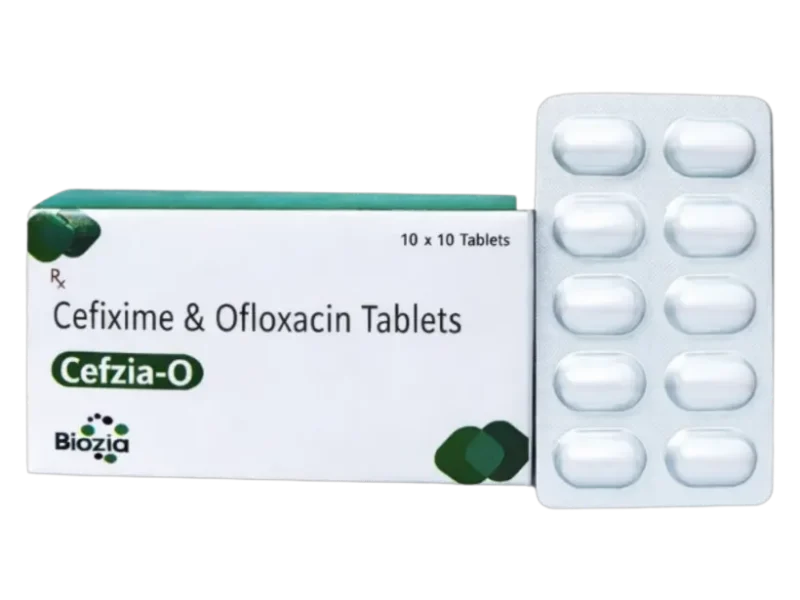
Cefzia-O Tablet
Cefixime 200 mg + Ofloxacin 200 mg
| Composition | Cefixime 200 mg + Ofloxacin 200 mg |
|---|---|
| Packing | 10x10 Alu/Alu |
| MRP | ₹ 1860 |
| Dosage Form | Tablets |
About Cefzia-O Tablet
Cefzia-O Tablet is a powerful dual-antibiotic combination containing Cefixime 200 mg and Ofloxacin 200 mg. By combining a third-generation cephalosporin with a fluoroquinolone, this tablet delivers a broader spectrum of antibacterial activity than either drug alone, making it effective against a wide variety of infections that may involve multiple or resistant organisms.
Biozia Lifesciences formulates Cefzia-O for clinical use in infections where broader coverage is required. The combination is particularly valued in typhoid fever, complicated urinary tract infections, and gastrointestinal infections where gram-positive, gram-negative, and intracellular organisms may all be involved.
Uses of Cefzia-O Tablet
This medicine is commonly used for:
- Treating typhoid and enteric fever
- Managing complicated urinary tract and kidney infections
- Treating respiratory infections requiring broader antibiotic coverage
- Managing gastrointestinal infections caused by bacteria
- Treating skin and soft tissue infections that are unresponsive to single antibiotics
Indications
The combination of Cefixime and Ofloxacin is indicated for the treatment of infections requiring broad-spectrum and intracellular coverage, including enteric fever (Salmonella typhi), complicated urinary tract infections (including pyelonephritis), acute exacerbations of chronic bronchitis, community-acquired pneumonia with atypical organisms (Chlamydia pneumoniae, Mycoplasma pneumoniae), and mixed aerobic-anaerobic soft tissue infections.
How Cefzia-O Tablet Works
Cefzia-O fights bacterial infections using two different mechanisms working together. Cefixime targets and destroys the bacterial cell wall, while ofloxacin targets the DNA machinery inside the bacteria, preventing them from copying themselves. This two-pronged attack makes it very difficult for bacteria to survive or develop resistance, providing comprehensive infection clearance.
Mechanism of Action
Cefixime inhibits bacterial cell wall synthesis by binding to penicillin-binding proteins (PBPs), preventing peptidoglycan cross-linking and causing osmotic lysis of susceptible organisms. Ofloxacin is a fluoroquinolone that inhibits bacterial DNA gyrase (topoisomerase II) and topoisomerase IV — enzymes essential for DNA replication, transcription, repair, and recombination — leading to bactericidal double-strand DNA breaks. The complementary and synergistic mechanisms of these two antibiotics extend coverage to gram-negative enteric organisms, gram-positives, and atypical intracellular pathogens.
Key Benefits
- Broader antibacterial coverage compared to using a single antibiotic, especially in complicated infections
- Effective against intracellular organisms such as Chlamydia and Mycoplasma that are missed by cephalosporins alone
- Particularly effective for typhoid fever, one of India's most common serious bacterial infections
- Dual synergistic action may help reduce the duration of treatment
Did You Know?
The combination of a cephalosporin plus a fluoroquinolone is one of the most commonly recommended regimens for treating typhoid fever in India, where multidrug-resistant Salmonella typhi strains have reduced the effectiveness of older single antibiotics like chloramphenicol and ampicillin.
When & How to Take
Take Cefzia-O as prescribed by your doctor — usually taken with or without food, at regular intervals to maintain constant levels in the body. Stay well hydrated during treatment. Do not stop taking the medicine before completing the full prescribed course.
Always follow the dosage and schedule advised by your doctor — this is general guidance only.
Possible Side Effects
Some patients may experience nausea, diarrhoea, stomach pain, headache, or dizziness. Fluoroquinolones may occasionally cause tendon sensitivity, particularly in older adults — consult your doctor if you notice joint or tendon pain. Skin sensitivity to sunlight may increase during treatment. Tell your doctor if any side effect is severe or persistent.
Precautions & Safety
- Avoid exposure to strong sunlight and use sun protection during treatment with this medicine, as ofloxacin can increase photosensitivity
- Inform your doctor if you have epilepsy, kidney disease, liver disease, or a history of tendon problems
- Avoid antacids, iron, or zinc supplements close to the time of taking this tablet, as they can reduce absorption
- Do not use in children, adolescents, or during pregnancy without specific medical guidance
- Complete the full prescribed course — do not self-stop even if feeling better
Myths vs Facts
A stronger combination antibiotic is always better than a single antibiotic.
Combination antibiotics are prescribed for specific infections that genuinely require broader coverage. Using them unnecessarily increases the risk of side effects and promotes antibiotic resistance. Always use antibiotics only on a doctor's prescription.
You can take antacids with this tablet to prevent stomach upset.
Antacids containing aluminium, magnesium, or calcium can bind to ofloxacin in the gut and significantly reduce its absorption, making the antibiotic less effective. Always space antacids and fluoroquinolone antibiotics apart as advised by your doctor.